
The Taj Mahal isn’t just a monument—it’s a love story carved in marble. Built between 1632 and 1653 by Mughal Emperor Shah Jahan in memory of his beloved wife Mumtaz Mahal, this ivory-white masterpiece stands as one of the world’s most breathtaking tributes to love. Today, it’s not only India’s crown jewel but also a UNESCO World Heritage Site, recognized for its stunning symmetry, intricate craftsmanship, and historical significance.
I had the chance to visit this iconic landmark during my trip to Delhi for the APAO 2025 Congress (Asia Pacific Academy of Ophthalmology, April 3-6). Since Agra was just a few hours away, a few colleagues and I decided to make a day trip. We booked a cab through the inDrive app, paying ₹7,000 for the round trip—a fair deal for a comfortable ride from Delhi to Agra and back.
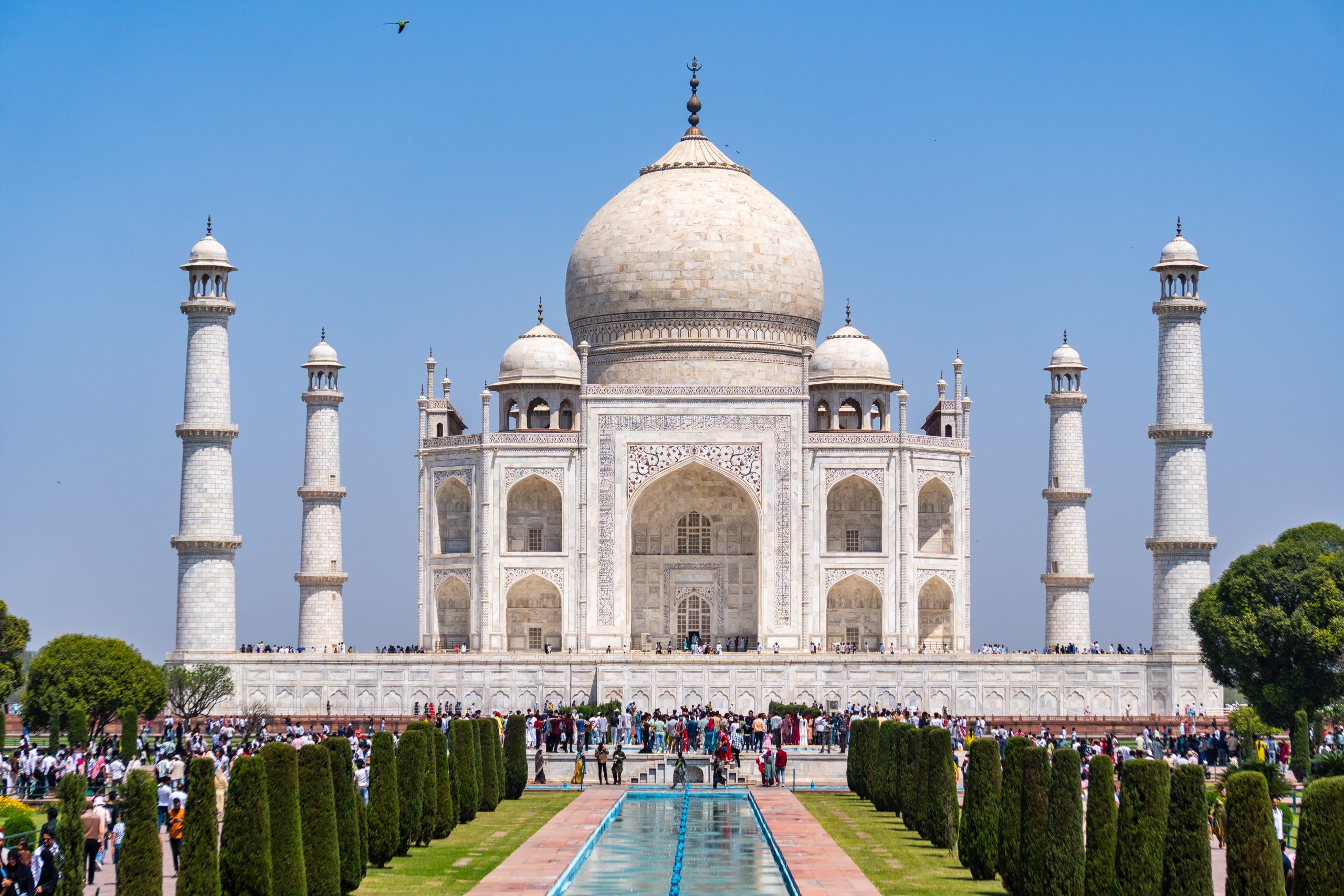
Visiting the Taj Mahal was surreal. Despite the crowds (and trust me, it was packed!), the moment I stepped through the gateway and saw its grand dome glowing under the sunlight, I knew the long journey was worth it. My photos capture the monument in broad daylight, with its intricate details and towering presence standing tall against the blue sky. While most professional shots are taken at sunrise or sunset, I wanted to show the Taj as most travelers see it—vibrant, alive, and buzzing with energy.
This blog is a visual journey through my lens—11 photos that tell the story of my visit, the crowds, the heat, and the awe-inspiring beauty of one of the world’s greatest wonders. Whether you’re planning your own trip or just dreaming of visiting someday, I hope these images bring you a little closer to the magic of the Taj Mahal.
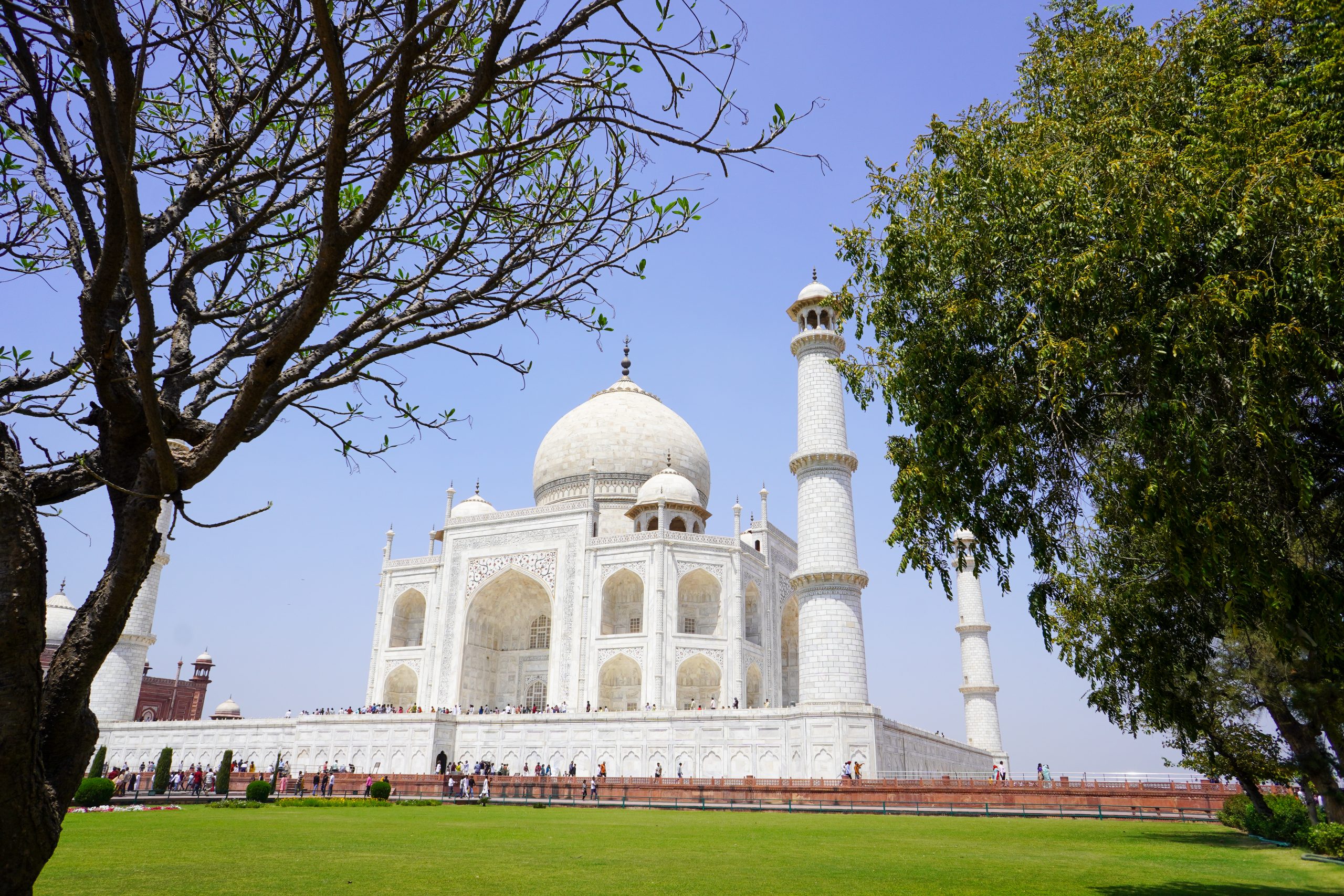
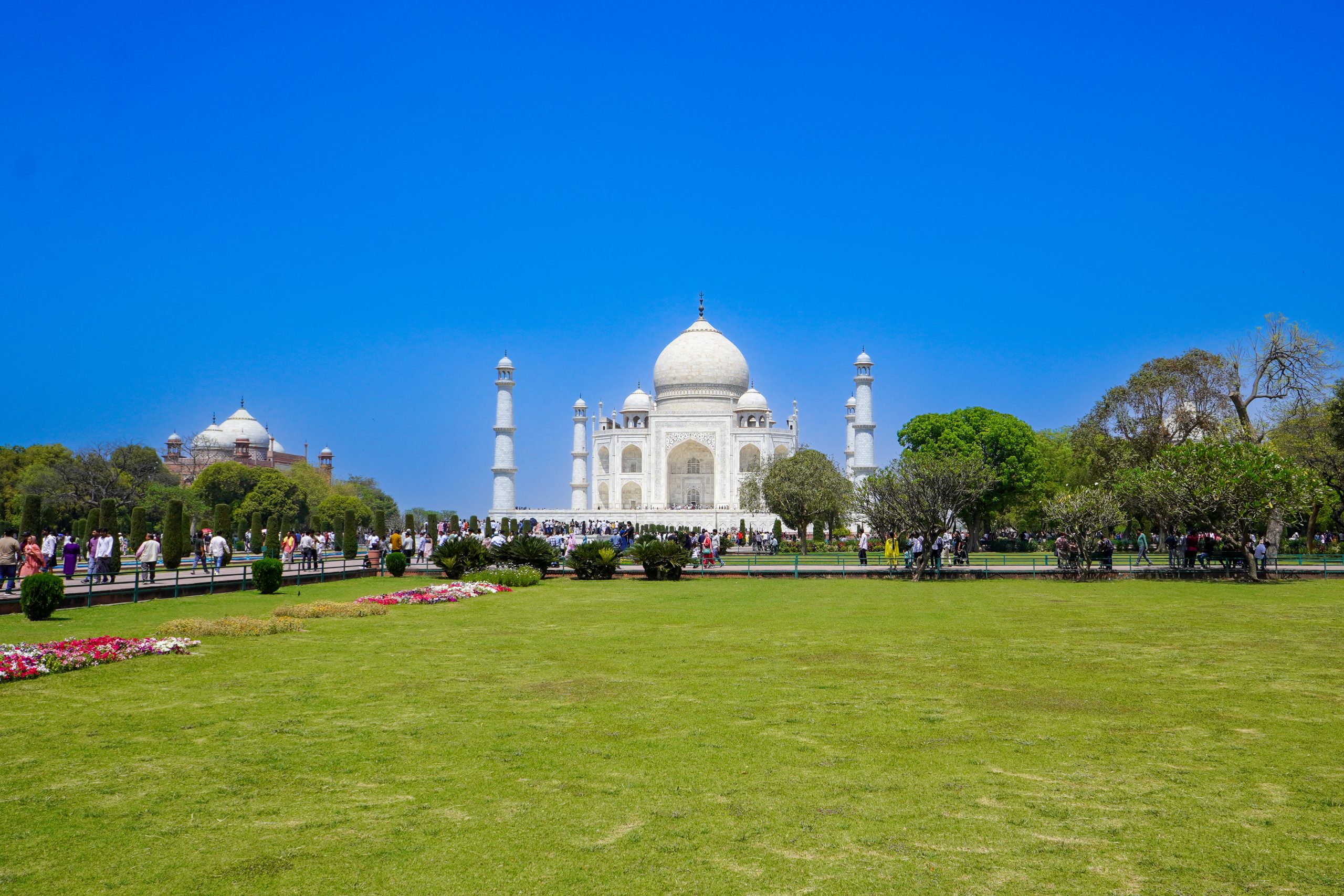
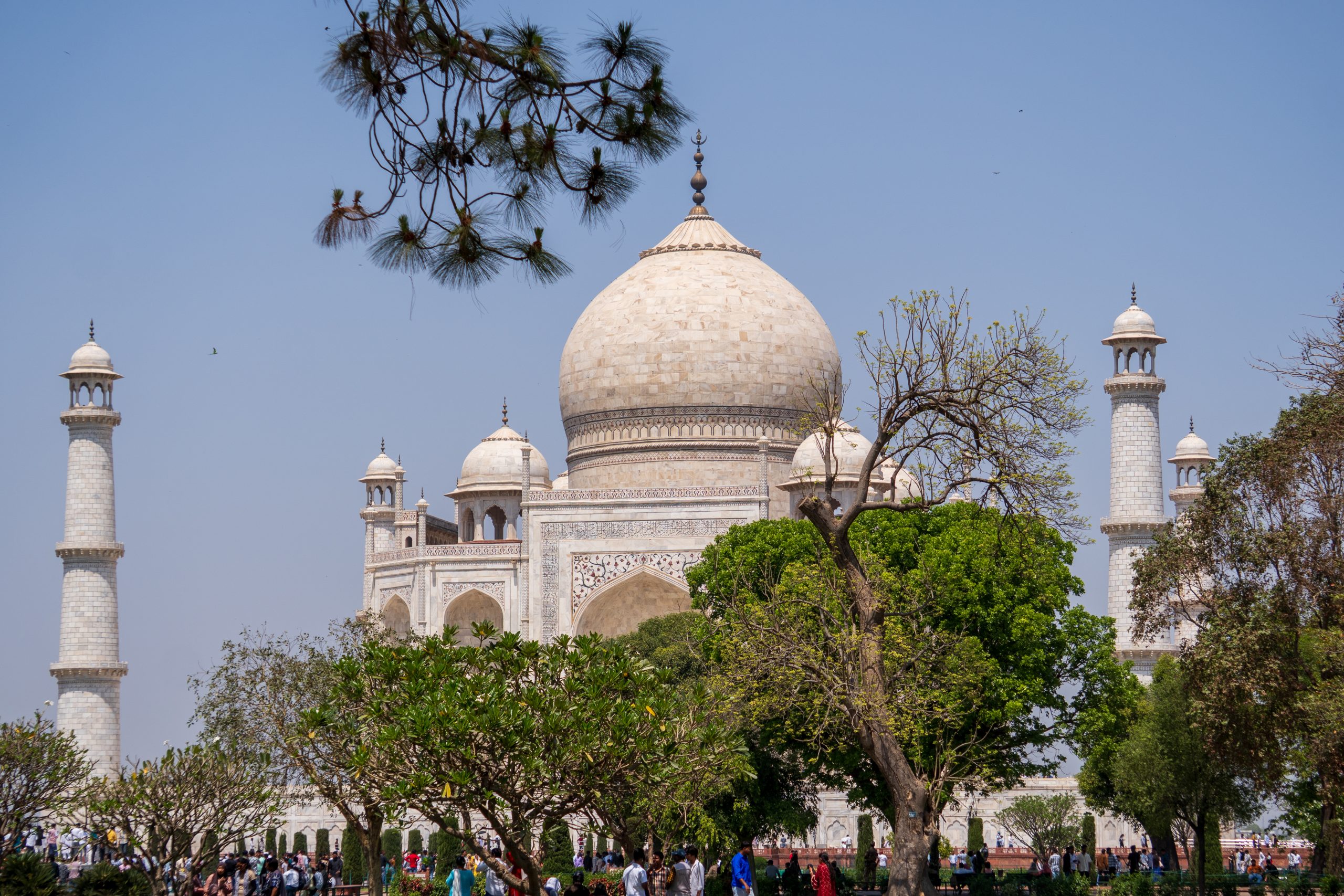
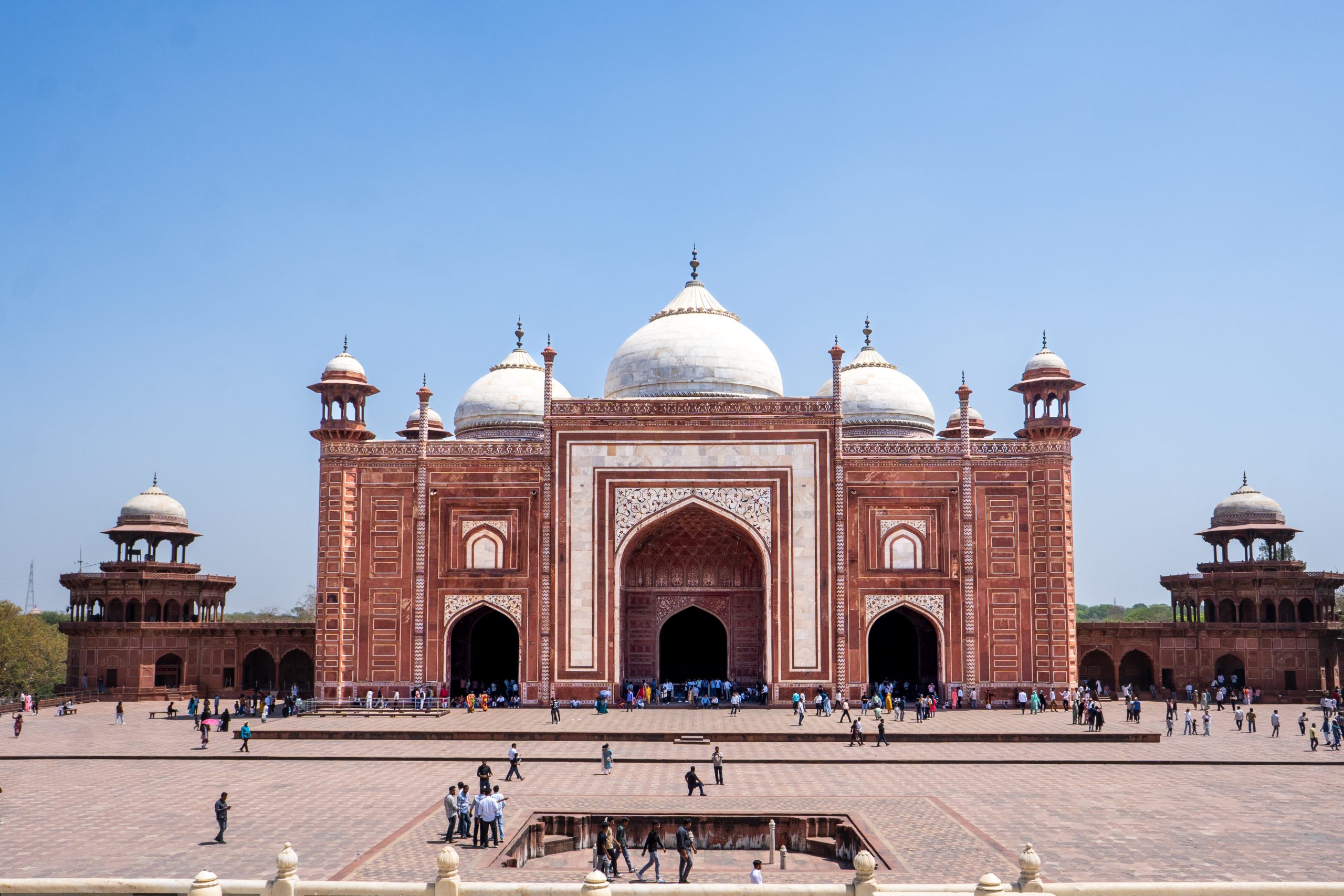
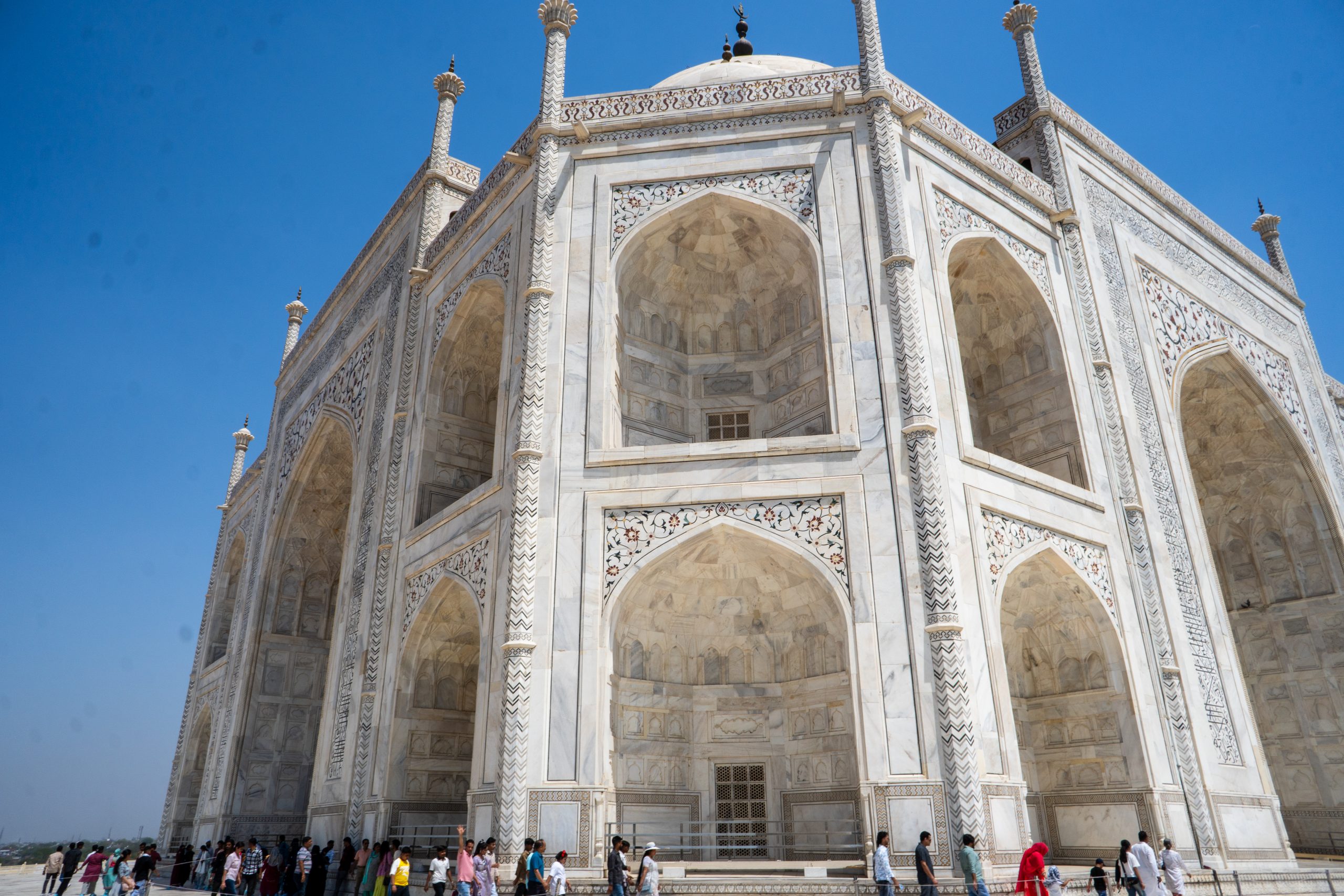
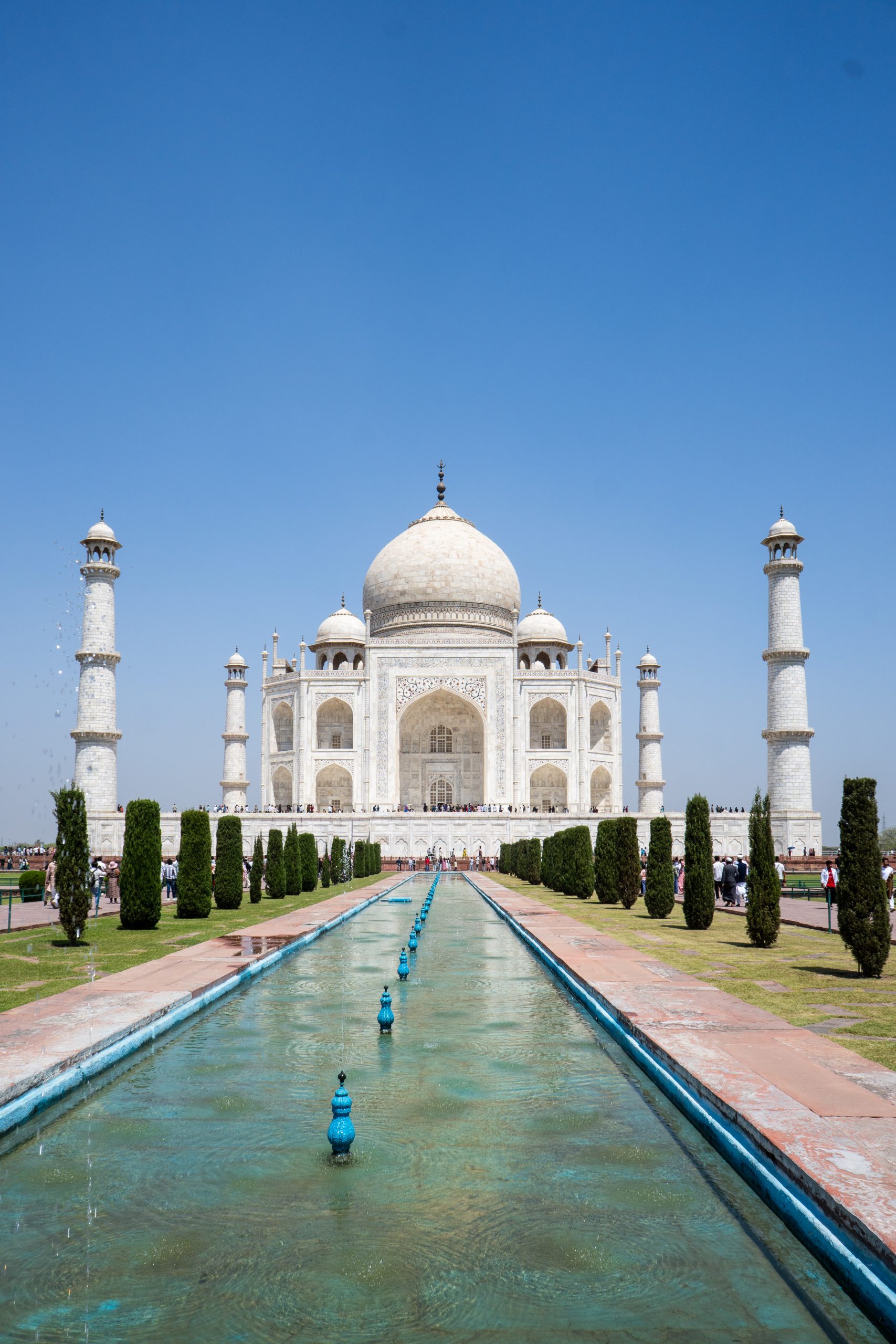

Map of Taj Mahal
Opening Hours and Ticketing
The Taj Mahal is open between 08:00 am to 05:00 pm everyday. Tickets of Taj Mahal are available throughout the day at the eastern, western and southern gates.
Foreign tourists pay ₹1,100 (including ASI and ADA fees), with an optional additional ₹200 to enter the main mausoleum. Visitors from SAARC and BIMSTEC countries enjoy a reduced rate of ₹540 (plus the same ₹200 for the mausoleum, if desired). Indian citizens and OCI cardholders have the most affordable access at just ₹50, with the ₹200 mausoleum fee remaining optional. These prices ensure everyone can experience the Taj Mahal while helping preserve its heritage.
(Note: Always check official sources for the latest updates before visiting!)